
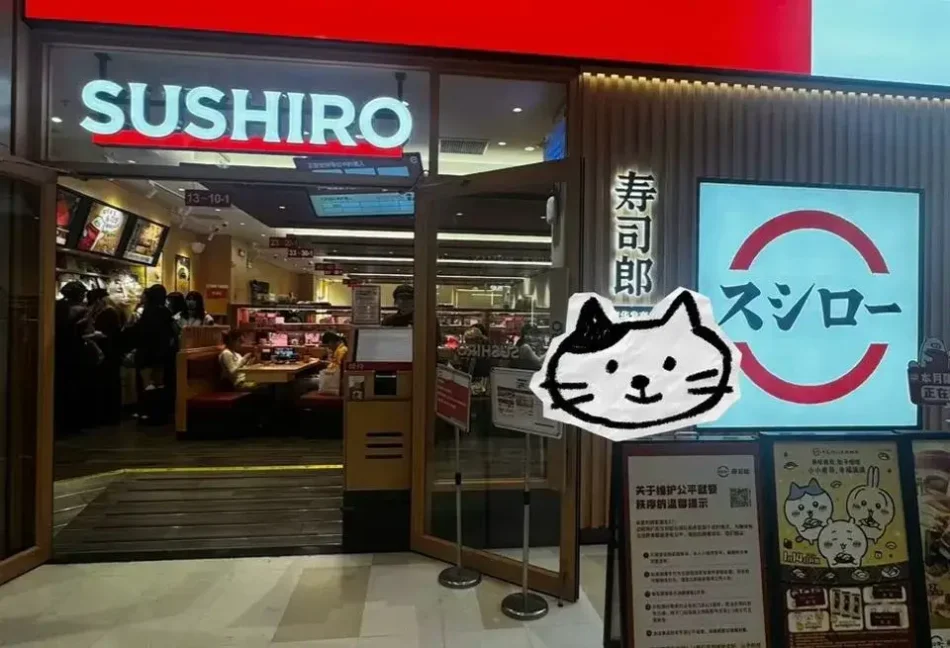

A recent incident at a popular sushi restaurant in Hangzhou has drawn widespread attention after an extreme queuing situation pushed a customer to emotional breakdown. The case, marked by over 3,200 waiting groups and the presence of ticket scalpers, has become a vivid example of the distortions created by the “internet-famous” economy in today’s consumer landscape.
The episode began when a customer, identified as Ms. Wang, took a queue number in the morning, only to discover that more than 3,200 groups were ahead of her. After waiting for hours with little progress, she realized that the estimated waiting time could stretch into tens of hours. The psychological pressure of such an uncertain and seemingly endless wait eventually forced her to give up. However, what made the situation even more troubling was the active presence of scalpers, who approached her during her wait and offered priority queue numbers for a fee. These resold spots ranged from modest prices on weekdays to several hundred yuan during peak times, forming a well-organized grey market around the restaurant’s popularity.
Scalpers reportedly employ individuals to secure large numbers of queue tickets, exploiting loopholes in the restaurant’s booking system. With no strict limits on ticket acquisition and insufficient verification at entry, these resold reservations can be used freely, undermining fairness and creating a parallel economy. Despite claims by the restaurant that measures were in place to manage the flow, on-the-ground reports suggest that enforcement was weak and disorder prevailed.
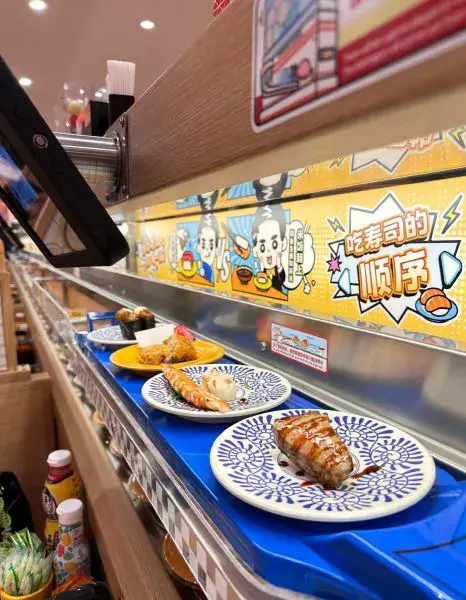
Many customers find themselves trapped by the “sunk cost effect”, having already invested significant time in waiting and feeling compelled to continue rather than abandon the effort. Others are motivated less by the dining experience itself and more by the desire to participate in a social ritual, taking photos, sharing online, and signaling participation in a trending phenomenon. In such cases, the act of queuing becomes part of the consumption, even overshadowing the actual product.
Many people expressed disbelief at the willingness to endure such extreme waiting times, with some stating that even a short queue would deter them. The idea that businesses might benefit from artificially inflated demand has also drawn criticism, with accusations that such practices exploit consumers by turning scarcity into a marketing tool. Commentators have urged people to adopt a more rational approach, emphasizing that truly good restaurants build lasting reputations through quality rather than hype.
Similar patterns have emerged in other cities, where long waits and paid queue-jumping have become common in high-profile dining spots. In contrast, long-established eateries with consistent quality often maintain steady popularity without relying on aggressive marketing or manufactured scarcity. This contrast underscores a key question about sustainability: whether businesses built primarily on viral attention can endure once the novelty fades.
Without strong fundamentals, such as product quality, efficient management, and genuine customer satisfaction, such businesses risk rapid decline once public interest shifts elsewhere. For consumers, the situation offers a reminder to weigh the true value of their time and experience. Choosing off-peak hours, exploring alternative options, or simply refusing to participate in irrational queuing can help counter these distortions.