
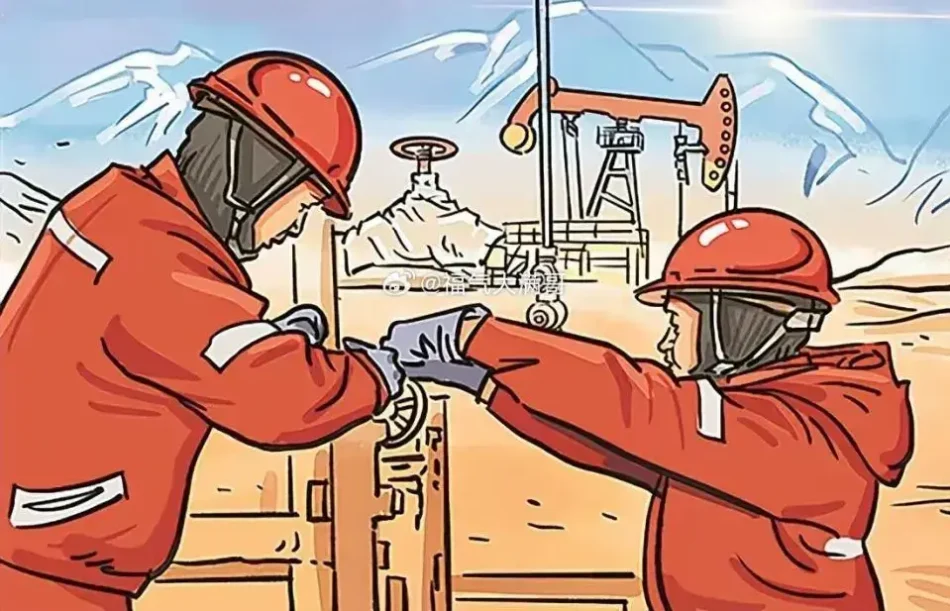

Some jobs pay extraordinarily well, but the salary often hides a cost no one can see on a bank statement. In professions such as deep sea drilling, forest watchkeeping, remote island duty, offshore shipping, and certain funeral services, money is exchanged not only for labor, but for silence, separation, danger, and emotional endurance. These careers reveal a harsh truth of modern work: sometimes income rises because ordinary human life becomes difficult to maintain.
Take deep sea drilling workers for example, annual earnings can be impressive, yet the schedule may involve twenty eight continuous days offshore, with twelve hour rotating shifts surrounded by darkness and open water. Communication with family can be unreliable, and time loses its normal rhythm. Workers describe finishing a shift and realizing they have barely spoken all day. In such environments, loneliness is not poetic or peaceful. It can become physical, affecting speech, mood, and identity itself.
Forest watchkeepers face a different version of the same bargain. They may spend weeks in remote towers or cabins, monitoring fire risks in vast wilderness areas with limited electricity, scarce supplies, and no nearby community. During severe weather, access can be cut off entirely. The beauty of endless forests comes with another reality: storms, wild animals, and the mental strain of hearing nothing but wind for days. What looks peaceful from the outside can feel oppressive from within.

Then there are lighthouse keepers and isolated island guardians, once symbols of romance and adventure. In reality, many historical positions demanded resilience against violent seas, giant waves, and months without companionship. Most of these roles have been automated, perhaps because technology can withstand solitude more easily than people can.
Even jobs closer to society can carry social isolation. Funeral workers, for example, may earn stable incomes and perform essential services, yet many still face stigma that pushes them to the edge of ordinary social life. Merchant sailors can spend half a year at sea, missing birthdays, relationships, and everyday routines. They are surrounded by coworkers, yet cut off from the world that gives relationships meaning.
The central contradiction of these professions is simple: the more a job removes a person from normal social life, the more money may be required to persuade someone to do it. High wages often function as loneliness compensation. They reward not only effort, but absence, absence from family dinners, friendships, celebrations, and the small conversations that quietly sustain mental health.
Not everyone experiences such work the same way. Some introverted personalities genuinely prefer distance from office politics and constant social demands. For them, isolation can feel like relief. Others can tolerate solitude as long as the internet allows regular connection with friends and family. A third group sees loneliness as temporary sacrifice, a way to earn quickly, save aggressively, and buy future freedom. But for highly social people, these jobs may become unbearable regardless of salary.
This explains why opinions are so divided. One person sees “paid peace and quiet”, another sees emotional imprisonment. One worker enjoys silence, another slowly loses motivation, language habits, and emotional sharpness. Personality can matter as much as qualifications.
Still, choosing such a career should be done rationally. A useful question is not “How much does it pay?” but “How much of that pay is compensation for what I must give up?” If a large share of income exists only to offset stress, danger, and isolation, the real reward may be smaller than it appears. Workers in these fields also need deliberate habits: regular calls home, scheduled social time during leave, and long-term plans to transition before burnout arrives.
Society is also beginning to rethink status. Many glamorous jobs offer prestige but little security, while overlooked jobs quietly keep nations functioning. Energy workers power cities. Mariners move global trade. Remote guards protect borders and coastlines. Funeral staff preserve dignity in moments of grief. Their work may be lonely, but its value is collective.
The final paradox is: people often call a profession respectable only after they see its salary. Yet some of the most essential workers earn their money by carrying burdens others refuse to bear. In that sense, these lonely high-paying careers are not just jobs. They are the hidden architecture of modern life, built with discipline, sacrifice, and long nights no one else notices.