

Long-standing frustrations finally converged for iPhone users in China. There seemed to be a collective backlash against Apple’s ecosystem: persistent virtual price markups driven by the so-called “Apple tax”, repeated service outages, and unresolved trust issues around system quality and privacy. The immediate trigger was the global service outage on January 21, 2026, which acted as a spark, allowing years of dissatisfaction among loyal users to erupt all at once.
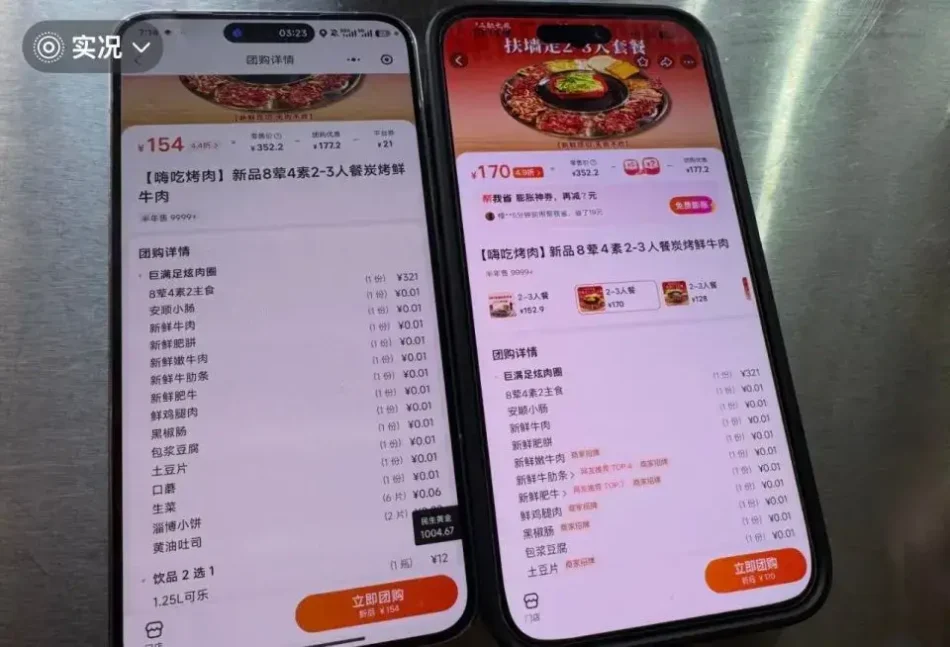
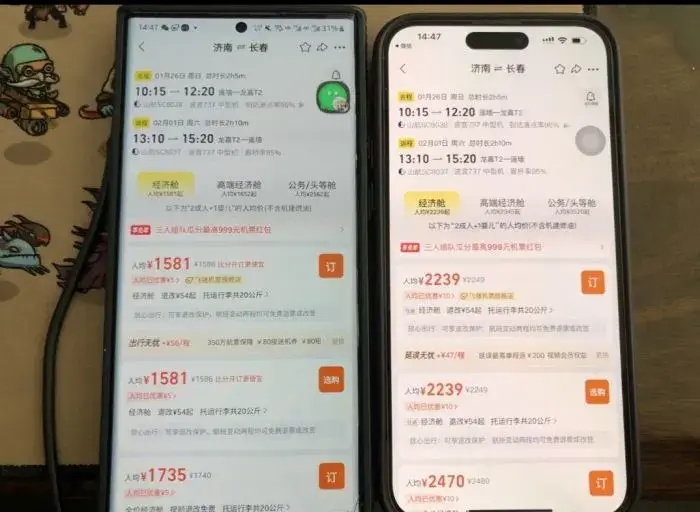
For many consumers, the most tangible grievance is price disparity. In virtual consumption scenarios such as memberships, in-app purchases, and digital tipping, Apple users often pay 15 to 30% more than their Android counterparts. Monthly subscriptions, annual music memberships, and even livestream rewards consistently show that the same amount of money buys fewer virtual goods on iOS. These differences are especially jarring because they are now widely documented and easy to compare. Beyond digital content, some users report higher prices on Apple devices for services like ride-hailing or hotel bookings, with differences ranging from a few dozen to a couple of hundred yuan, though others find identical prices and suspect that algorithmic price discrimination may be layered on top of platform fees.
Much of this premium traces back to Apple’s commission structure. Apple requires a 30% cut on in-app virtual transactions, reduced to 15% for smaller developers, while strictly limiting external payment guidance. Developers often pass this cost directly on to users. Attempts to bypass the system have historically been met with warnings or threats of removal from the App Store, reinforcing the perception that consumers are indirectly footing the bill for Apple’s closed payment ecosystem. Frustration deepens when users compare regions: while EU, Japan, and even the United States have seen reduced fees or greater flexibility in payment options, China continues to face one of the highest commission rates, with no support for third-party app stores. Regulatory scrutiny and consumer complaints over the past year have yet to produce visible change, fueling accusations that Chinese users are being treated unfairly.
These pricing issues might have remained a simmering complaint if not for Apple’s recent service instability. On January 21, 2026, nearly thirty Apple services were disrupted worldwide for more than three hours. App Store payments failed, iCloud syncing stalled, messaging lagged, and in extreme cases newly purchased iPhones became unusable during activation. This marked the fifth large-scale outage since August 2025, and Apple’s official response, largely limited to advising users to restart their devices, was widely viewed as dismissive. The outage transformed abstract resentment into a concrete sense of vulnerability, undermining the brand’s long-standing reputation for reliability.
At the same time, everyday user experience complaints have grown louder. Longtime iOS users report declining smoothness, awkward interface behaviors, accidental feature activation, and increasing difficulty with basic interactions like cursor placement. Even new devices are not immune, with reports of abnormal overheating and rapid battery degradation following system updates. When these quality concerns are combined with higher prices, some users argue that Apple’s famed craftsmanship no longer justifies its premium positioning.
In response, consumers have begun adapting. Many adopt a dual-device strategy, keeping an Android phone specifically for recharging accounts or using price-sensitive services. Others shift payments to web versions, desktop clients, or mini programs to avoid Apple’s commission altogether, or adjust system settings to reduce accidental in-app purchases.