
In 2025, the final year of China’s 14th Five-Year Plan, the nation’s economy demonstrated remarkable resilience, achieving an annual GDP growth of around 5% and surpassing a total output of 140 trillion yuan. Technology-driven innovation and structural transformation emerged as the year’s most notable highlights, underscoring a shift toward higher-quality development.
China’s economic scale continued to expand significantly. The GDP increase since the start of the plan exceeds 35 trillion yuan, roughly equivalent to creating another Yangtze River Delta economy. With nine consecutive quarters of positive growth, China contributed nearly 30% to global economic expansion. International institutions took note: in December, the IMF revised China’s growth forecast upward from 4.9% to 5%, reflecting confidence in the country’s ability to sustain momentum despite external pressures.
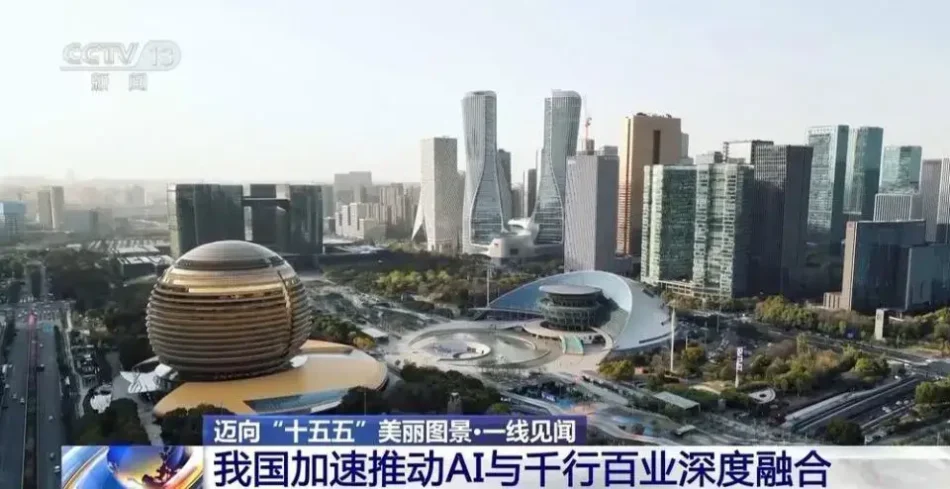
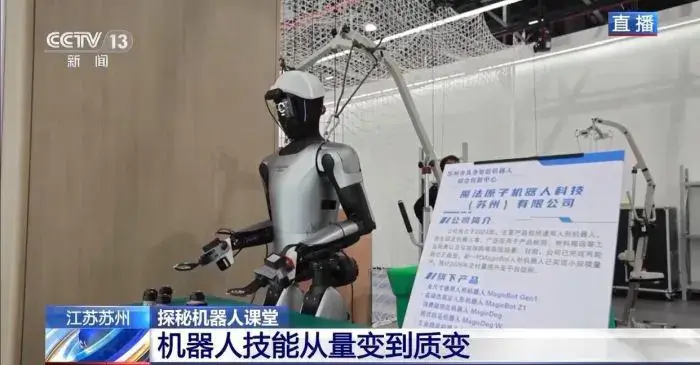
The year saw a surge in high-end technological breakthroughs and industrial upgrading. Cutting-edge fields made headlines with milestones such as the quantum computing prototype “Zuchongzhi-3”, which achieved a millionfold leap in computing power, and controlled nuclear fusion technology being recognized among the year’s most significant scientific events. Artificial intelligence innovations promoted cross-industry integration, while high-end manufacturing also flourished. Electric vehicle market penetration exceeded 50%, smart equipment manufacturing revenue rose 28.2%, and humanoid robotics companies accounted for 30% of the world’s top producers. R&D intensity reached 2.68%, close to OECD standards, while China led globally in the number of top technology innovation clusters, signaling a shift from isolated breakthroughs to integrated, systemic innovation.
On the demand side, structural optimization proved effective. Strong export growth cushioned the downturn in real estate: exports reached 26.8 trillion yuan, offsetting the decline in property sales from 20 trillion to 9 trillion yuan over four years. Export composition also shifted toward technology-intensive and capital-intensive products, with manufacturing increasingly concentrated in domestic industrial clusters. Domestic consumption exceeded expectations, with electricity consumption in October surging 10.4% year-on-year. Notably, the tertiary sector’s electricity use rose 17.1%, and residential consumption jumped 23.9%, reflecting both digital consumption growth and improved living standards. Policy measures, including expanded trade-in programs and increased pension and healthcare subsidies, further stimulated domestic demand.
Fiscal policy became more proactive, with a higher deficit ratio, issuance of 3 trillion yuan in special bonds, and expanded targeted debt issuance to support strategic projects in new consumption, new equipment, and key infrastructure. Monetary policy adopted “moderate easing” for the first time in 14 years, with two reserve requirement ratio cuts lowering financing costs. At the same time, structural risks were addressed: the real estate sector stabilized, and local government debt pressures eased with the deployment of 10 trillion yuan in debt relief resources.
The Greater Bay Area (GBA) showcased robust economic vitality, rivaling other world-class bay areas, while the Yangtze River Delta port clusters accelerated cooperation, enhancing global competitiveness. Institutional openness also progressed: Hainan Free Trade Port implemented full island customs controls, foreign investment restrictions in manufacturing were lifted, and legislation supporting private enterprises boosted market confidence.
However, structural pressures remain. Population shifts are affecting consumption and investment patterns, with the share of core taxpayers nearing 25%, and younger generations reshaping market demand. Emerging deflationary pressures require careful balancing between actual and nominal GDP growth. The 15th Five-Year Plan will continue the focus on “steady progress to promote stability”, emphasizing technological self reliance, green transformation, and AI-driven new growth engines.
Overall, China closed the 14th Five-Year Plan with both quantitative growth and qualitative improvement, leveraging its massive market and coordinated policy framework to lay a solid foundation for high-quality development in the next planning period.