
Pop Mart’s stock has lost 44% of its value in just four months. On the surface, the collapse was triggered by the shattering of its North American “Black Friday” growth myth, which sparked a rapid capital exodus. But beneath the panic lies a deeper structural crisis: the erosion of emotional premium, product strength, and investor trust that once supported the company’s soaring valuation.
The numbers tell a stark story. After hitting a record high of HK$339.8 per share on August 26, 2025, the stock plunged to around HK$190 by December 9, wiping out more than HK$200 billion in market value. The market rout intensified when the stock tumbled 8.49% on December 8 and slid another 4.94% the next day, igniting widespread fear. The immediate trigger was a sharp slowdown in North America: U.S. sales had surged 1,200% year-on-year in the third quarter, yet Black Friday growth cooled to under 500%, with Thanksgiving week showing none of the expected seasonal lift. Investors quickly questioned the sustainability of Pop Mart’s overseas momentum, while short interest jumped to 6.3% of free float shares, the highest since August 2023, further amplifying selling pressure.
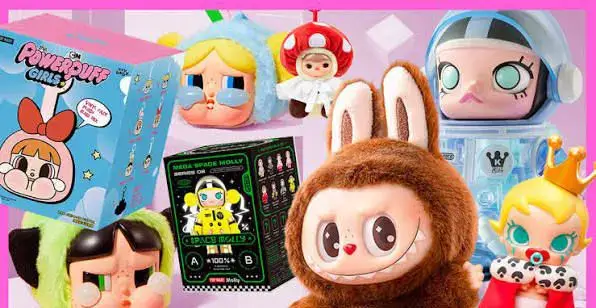
The deeper problem is that Pop Mart’s business model is turning against itself. The company’s reliance on scarcity and hype has collided with its own aggressive production expansion. Labubu, which contributes roughly 35% of revenue, saw its monthly output targeted to rise from 10 million to 50 million units. That surge effectively destroyed its secondary market rarity: hidden editions that once sold for over 2,000 yuan now change hands for 600–840 yuan, while regular editions have fallen below retail price. Analysts warned that mass production undermines the very foundation of collectible culture.
At the same time, a series of pricing and quality control controversies damaged consumer goodwill. One popular product, a DIMOO pendant retailing for 79 yuan, was revealed to cost only about 4 yuan to manufacture. During a live stream, an employee admitted it was “too expensive” but shrugged it off, saying that “someone will buy it”, an attitude many fans saw as dismissive and exploitative. Quality issues, including misprinted brand names, overlapping stamps, chipped paint, and shedding plush materials, compounded the frustration. Customer service responses, such as advising buyers to “adjust defects themselves”, only deepened dissatisfaction.
Layered on top of this were capital market concerns. Pop Mart once traded at a dynamic price-to-earnings ratio of 91, double that of Disney, despite lacking comparable global IP assets. Major shareholders collectively cashed out more than HK$5.5 billion, raising questions about confidence in the company’s long-term prospects. Technical indicators formed a bearish head and shoulders pattern that triggered algorithmic selling, and even irrational market sentiment, like a viral influencer’s “gesture curse”, contributed to panic in a fragile environment.
Meanwhile, shifting consumer behavior is reshaping the landscape. Gen Z buyers are increasingly rational, with 83% expecting prices to reflect real value. Competitors like Top Toy are attracting consumers with products priced at one-third of Pop Mart’s levels, while “gamified” blind box mechanics, where hidden edition odds can be as low as 0.69%, face growing regulatory scrutiny. The once booming resale market has flipped direction, with speculators rushing to offload inventory as premiums evaporate.
Global expansion, once seen as Pop Mart’s next growth engine, is proving more complex than expected. Overseas audiences remain heavily concentrated around Labubu, with weaker recognition of other IPs. New production plans in Southeast Asia face cultural preference challenges, such as colorways that underperform in Europe. Counterfeit supply chains, producing knockoffs for as little as 4 yuan, threaten both margins and brand integrity. Regulatory tightening around blind box operations adds further constraints.
Institutional views are sharply divided. The bearish camp warns that if Labubu’s popularity fades, Pop Mart may struggle to replicate another breakout hit, with growth potentially slowing to 10–20% by 2026. Optimists, however, see promise in international markets and in the upcoming Labubu animated series, which could extend the IP’s lifecycle.
Ultimately, the crisis reveals a simple truth: in the collectible toy industry, scarcity can fuel short-term hype, but enduring value comes only from respect for consumers, disciplined craftsmanship, and the genuine vitality of the IP. Pop Mart’s plunge is not just a market correction; it is a referendum on the fragile psychology that underpins the entire blind box economy.
Below are some comments from Chinese netizens:
“Good, serves it right for falling.”
“Sky-high speculation always ends this way. Nothing surprising.”
“Let the scalpers buy it!”
“It was overpriced from the beginning.”
“Honestly, I never understood the appeal of blind boxes, maybe I’m just old.”
“I never got the hype and never bought any.”
“This outcome was inevitable, the IP lineup is way too narrow.”
“This outcome was inevitable, the IP lineup is way too narrow.”
“Aside from strong marketing, everything else is pretty meaningless.”
“It needs to rise 180% just to break even.”
“It’s fine, someone will pay for it.”
“Fast fashion can’t stay hot forever. It needs the next big IP to keep growing.”
“Don’t turn this brand into a luxury label, please.”
“They’ve already cashed out long ago, yet there are still people willing to take the loss.”