
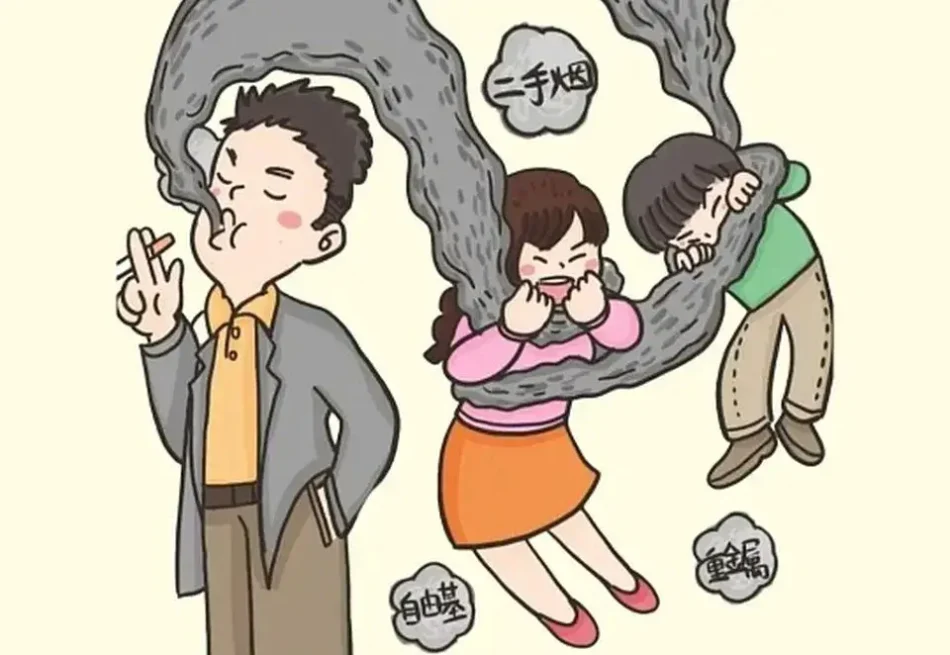

A growing body of medical evidence is reshaping how lung cancer is understood among women in China. Data from the National Cancer Center show that around 70% of Chinese women who do not smoke are still exposed to secondhand smoke. This widespread exposure has emerged as a central driver behind the rising incidence of lung cancer, which has now surpassed breast cancer as the most common cancer among Chinese women. Roughly one in four female lung cancer cases is linked to secondhand smoke, showing how deeply environmental and social factors influence disease risk.
Secondhand smoke is classified as a Group 1 carcinogen and contains at least 69 known cancer-causing substances. Long-term exposure increases the risk of lung cancer in non-smokers by 20% to 30%, with studies suggesting the increase may reach as high as 52% in Asian populations. The problem is not confined to isolated settings. Exposure commonly occurs at home, in workplaces, restaurants, and public spaces. A significant imbalance in smoking rates, about 50% among men compared to only around 2% among women, means that many women are involuntarily exposed on a daily basis. Even in smoke-free moments, thirdhand smoke lingering on clothing, furniture, and in enclosed spaces such as elevators can persist for weeks, continuing to pose health risks.
The biological mechanisms behind these risks are well documented. Toxic compounds such as benzo[a]pyrene and nitrosamines, sometimes found in higher concentrations in secondhand smoke than in directly inhaled smoke, can damage DNA and trigger genetic mutations. Vulnerable groups, including pregnant women and adolescents, face particularly severe consequences. Exposure has been linked to increased risks of fetal developmental abnormalities and childhood leukemia. Beyond cancer, secondhand smoke contributes to a range of chronic conditions, including asthma, chronic obstructive pulmonary disease, and cardiovascular and cerebrovascular diseases. Even brief exposure, just 30 minutes, can raise the risk of coronary heart disease by 25% to 30%, while causing lasting harm to the developing respiratory systems of infants and young children.
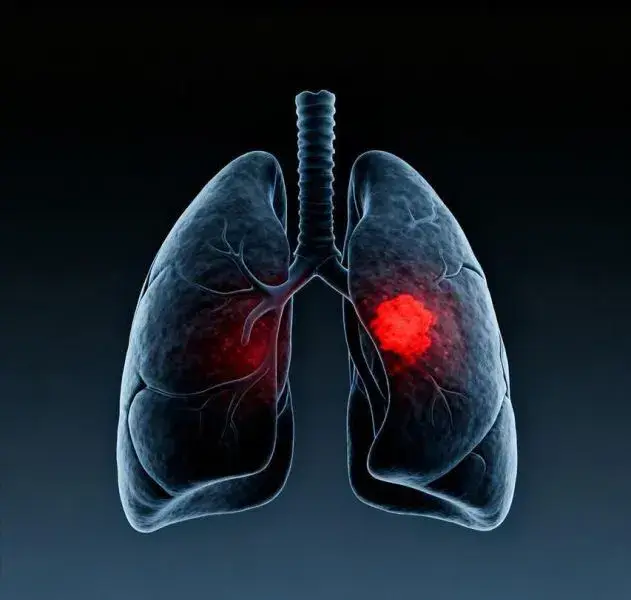
Compounding the issue are additional environmental and biological risk factors. In many households, high-temperature Chinese cooking methods generate oil fumes containing fine particulate matter (PM2.5) at levels 20 to 40 times higher than safety standards. These fumes also carry carcinogens such as benzo[a]pyrene, and an hour of daily exposure may be equivalent to smoking 10 to 20 cigarettes, increasing lung cancer risk among women by as much as 74%. Air pollution further intensifies the danger: for every 10 μg/m³ increase in PM2.5 concentration, lung cancer mortality rises by 15% to 27%. Genetic susceptibility also plays a role, as East Asian women show significantly higher rates of EGFR gene mutations, making them more sensitive to carcinogenic exposures.
Women often delay seeking medical attention despite early symptoms such as persistent cough, with about half postponing diagnosis. Screening programs, particularly low-dose CT scans, have traditionally focused on smokers, leaving many non-smoking women undiagnosed until the disease has reached an advanced stage. Estimates suggest that up to 70% of these cases are discovered late, reducing treatment options and survival rates.
Many point to weak enforcement of smoking restrictions in public places, describing common experiences such as people smoking while walking or the persistent smell of smoke in elevators. The high exposure rate reflects not only gaps in public policy but also challenges within private spaces, where women often bear the health consequences of others’ smoking habits. Cultural norms can make it difficult to confront smokers, particularly in workplaces or family settings, where maintaining harmony is often prioritized over personal health.