
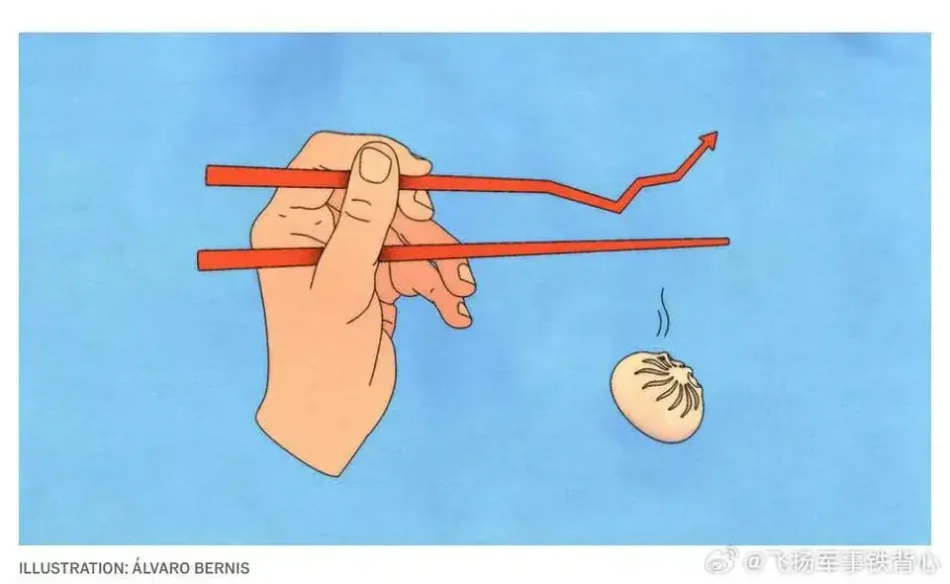

In 2026, food expenditure accounted for 17.2% of total household consumption in China (excluding dining out), significantly higher than the roughly 8% reported in the United States. However, once the structure of spending is examined more closely, the pattern aligns with classic economic principles such as Engel’s Law: as income rises, the proportion of income spent on food declines. Indeed, China’s share of pure food spending has fallen from 20.7% in 2017 to 17.2% in 2025. Meanwhile, dining out expenditures, classified in many Western countries as leisure or entertainment consumption, are often counted as food expenditure in China. In 2024, dining services accounted for 7.4% of household consumption, a 48% increase from 2017. This alone elevates the apparent “food” ratio.
Moreover, eating out in China carries a clear service premium. Consumers are not only paying for ingredients but also for cooking, convenience, ambiance, and social experience. Research suggests that street snacks may cost around 30% more than home preparation, while international fast food chains such as McDonald’s can command premiums of 150% to over 200%. In other words, part of what is recorded as “food” spending is actually payment for time-saving services and lifestyle upgrades.
Cultural inheritance also plays a decisive role. China’s long agrarian history was marked by periodic food scarcity, which fostered a survival logic centered on maximizing the use of ingredients and developing preservation techniques such as pickling and fermentation. Emergency foods born of famine, like Shaanxi’s guokui flatbread or Henan’s hot pepper soup (hulatang), eventually evolved into beloved regional specialties. Over centuries, food transcended mere sustenance and became a cultural symbol. The saying “food is heaven for the people” reflects a collective consciousness shaped by historical memory.
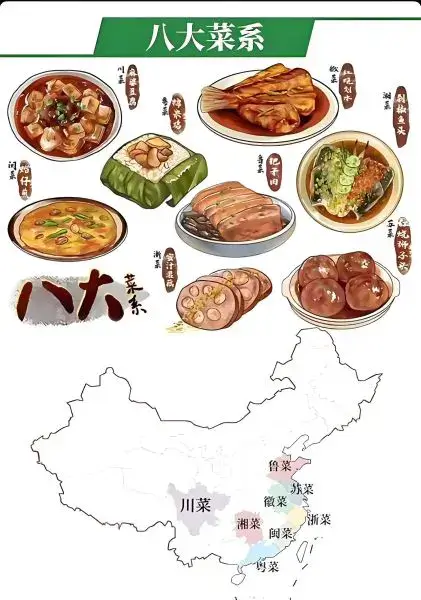
Food also carries profound social meaning. It is estimated that nearly three quarters of traditional festivals revolve around shared meals. From Lunar New Year’s Eve dinners to wedding banquets, the dining table functions as a vessel of emotional transmission and family cohesion. Even daily language testifies to this centrality: greetings such as “Have you eaten?” and expressions like “chi ku” (to endure hardship) or “chi xiang” (to be popular) embed culinary metaphors into the structure of communication. Eating is not just biological necessity but social grammar.
In the context of modern consumption upgrading, food spending increasingly reflects a shift from satiety to experience. As incomes rise and urbanization accelerates, time becomes scarce. Ordering delivery or dining out represents an exchange of money for efficiency. For many urban residents working at a fast pace, food services are less luxury than necessity. Younger consumers treat dining as an accessible form of emotional investment. A person earning 5,000 yuan per month may willingly spend 300 yuan on hotpot, viewing it as a cost-effective source of happiness and stress relief. Compared with expensive travel or luxury goods, food offers immediate, tangible satisfaction at relatively low financial risk.
Another factor is China’s highly efficient agricultural supply system. The country’s vast domestic production and logistics networks keep prices of vegetables, fruits, and meat comparatively affordable. In some cases, staple vegetables cost a fraction of their price in developed economies such as Japan. This affordability allows ordinary households to achieve dietary diversity at moderate cost, encouraging both frequent cooking and experimentation.
Chinese cuisine emphasizes freshness, high heat stir frying, and daily market purchases. Annual per capita vegetable consumption reaches 588 kilograms, among the highest in the world. By contrast, many Western countries rely heavily on pre-prepared or processed foods, with penetration rates exceeding 60% in some markets. There, eating often serves primarily as energy replenishment; in China, it remains a craft and ritual embedded in daily life.
Contemporary challenges, however, complicate the picture. Rising rents and labor costs have pushed up restaurant prices. In some cities, the annual rent of a small eatery has tripled within three years, inevitably transferring pressure to consumers. As a result, part of the population shifts toward cost effective mass dining options. Yet even amid economic uncertainty, food remains one of the last expenditures people are willing to compress.