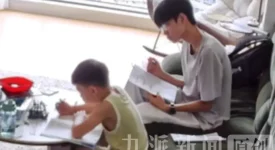
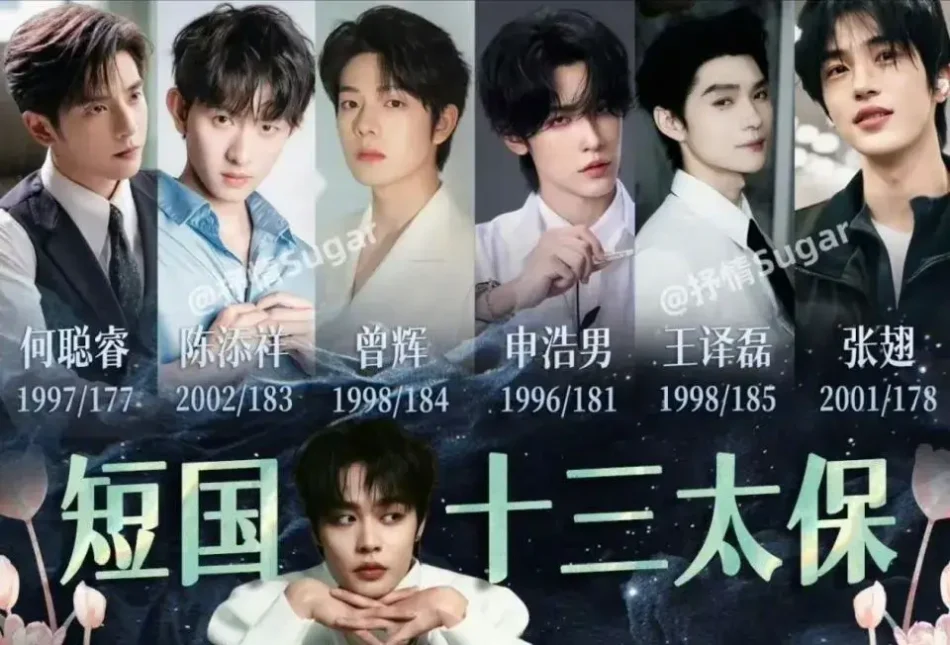

The rapid rise of China’s short drama industry has attracted a massive influx of actors, directors, investors, and production crews. With high salaries, low entry barriers, and an industrialized production model capable of generating content at remarkable speed, short dramas have become one of the most lucrative sectors of the entertainment industry. However, the explosive growth of AI-generated short dramas since 2026 has begun to fundamentally reshape the market, creating unprecedented challenges for traditional live action productions and triggering a dramatic industry-wide transformation.
One of the biggest attractions of the short drama industry is its earning potential. Top short drama actors can reportedly earn up to 50,000 yuan per day, while leading roles in projects that typically require only about a week of filming can generate between 350,000 and 500,000 yuan in compensation. In some premium productions, lead actors’ salaries alone can reach millions of yuan, accounting for a significant portion of the total production budget.
For many performers, short dramas offer a much more attractive alternative to traditional television productions. Conventional dramas often require months of filming, frequent travel between locations, exhausting overnight shoots, and lengthy payment cycles. In contrast, short dramas can be completed within ten days, feature centralized filming locations, provide faster payment, and allow actors to take on multiple projects within a short period. The efficiency and flexibility make the format highly appealing, particularly for less established performers.
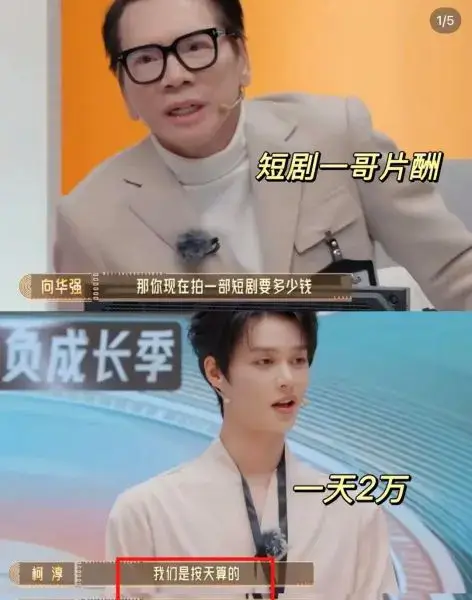
The industry’s low barriers to entry have also contributed to its rapid expansion. Veteran actors transitioning from traditional television have noted the significant differences in acting requirements. Some have described short drama performance as highly directive, with actors simply following instructions from directors rather than developing complex character interpretations. Teleprompters are commonly used on set, reducing the need for memorization and accelerating production schedules.
Unlike traditional film and television productions that emphasize subtle emotional expression and layered performances, short dramas often prioritize direct emotional delivery, fast-paced storytelling, and dramatic plot twists. As a result, formal acting training is less essential, allowing newcomers to enter the industry more easily.
The production process itself is highly industrialized. A typical short drama may be filmed in just seven to ten days, while an 80-episode series can sometimes be completed within a single week. Production facilities function almost like assembly lines, with modular sets that can be quickly reconfigured to represent different locations. Some crews reportedly shoot dozens of episodes within only a few days.
The intense pace of production, however, comes with trade-offs. Actors frequently work long hours under demanding schedules, making it difficult to maintain peak physical appearance and performance quality throughout filming. Consequently, extensive use of beauty filters, skin smoothing effects, and post-production enhancements has become standard practice. While these techniques help maintain visual appeal, critics argue that they can mask weaknesses in both appearance and acting ability. Several popular short drama stars have struggled when transitioning to traditional television productions, where unfiltered cinematography and higher performance standards expose limitations that are less noticeable in heavily edited short-form content.
The industry’s remarkable growth has been driven by an equally impressive surge in audience demand. Consumption of live action short dramas has expanded rapidly, with daily viewing time reportedly tripling within a single year. By 2025, more than 33,000 micro-dramas were released nationwide, attracting nearly 700 million viewers. The format’s success reflects modern viewing habits, as audiences increasingly consume entertainment during short breaks and fragmented moments throughout the day.
International markets have embraced the trend as well. Chinese produced short dramas have expanded into more than 200 countries and regions, while the global micro-drama market is expected to exceed $5 billion in 2026. The sector’s international growth has created significant demand for performers and production talent.
This demand has opened doors for countless newcomers. Many aspiring actors who struggled to secure roles in traditional productions have found opportunities in short dramas. Even professionally trained performers have increasingly migrated to the sector due to limited opportunities elsewhere. Some actors openly admit that they entered the short drama industry simply because conventional acting jobs had become scarce. The trend has become so significant that established stars, including well-known film and television celebrities, have also begun participating in short drama projects.
Despite its rapid growth, the industry now faces a profound challenge from artificial intelligence. AI-generated short dramas have emerged as a disruptive force capable of producing content at dramatically lower costs and unprecedented speed. Industry reports indicate that during the first quarter of 2026, AI-generated productions accounted for the majority of spending in some overseas short drama markets, significantly outpacing traditional live action projects.
In the second quarter of 2026, overseas live action short drama production reportedly declined by 30% to 50% year-over-year, with many planned projects suspended or canceled. In China, the number of live action short drama productions launched during the first quarter reportedly fell by as much as 75%, while production hubs such as Hengdian and Xi’an experienced widespread shutdowns and idle crews.
An AI-generated short drama can reportedly be produced for only a few thousand yuan and completed within 48 hours. By comparison, live action productions often require budgets ranging from hundreds of thousands to millions of yuan. For investors seeking efficiency and scalability, the appeal of AI-generated content is obvious.
As a result, many actors are experiencing a growing sense of uncertainty. Some performers who previously appeared in more than a hundred short dramas over just a few years have suddenly found themselves without work. Even top-tier short drama stars are producing fewer projects, while mid-level and emerging actors increasingly struggle to secure roles. In response, some leading performers have turned to theatre and stage acting as a way to develop their skills and diversify their careers.
The industry’s challenges extend beyond employment concerns. Investment risks remain extremely high, with success concentrated among a small percentage of projects. Many investors lose substantial sums, and some productions generate almost no revenue despite significant upfront spending. Marketing and traffic acquisition costs can consume up to 80% or 90% of total earnings, leaving profit margins extremely thin.
Regulatory pressures are also increasing. Platforms have introduced stricter content guidelines, banning or restricting numerous popular themes and storytelling devices. International expansion brings additional complications, including content censorship requirements, data compliance regulations, and cultural sensitivities that vary across countries. Some production teams have even encountered legal issues abroad due to improper filming permits and visa violations.