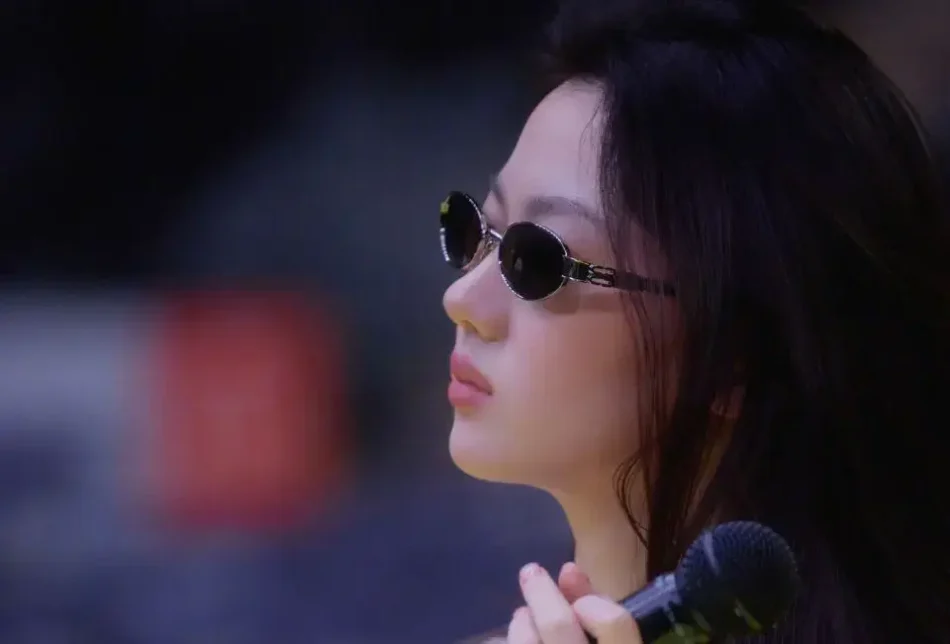

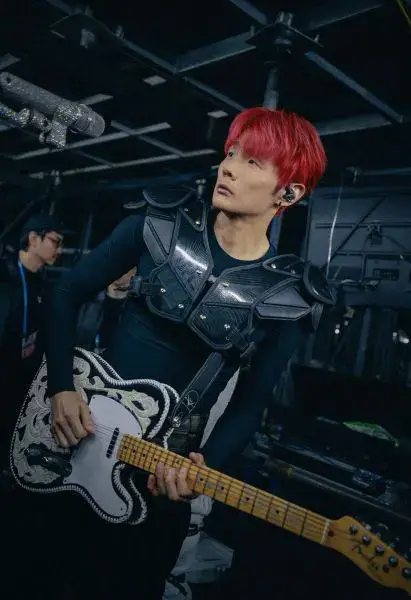
The controversy surrounding Li Ronghao 李荣浩 and Shan Yichun 单依纯 erupted after a performance on March 28, 2026, in Shenzhen, quickly becoming one of the most discussed copyright disputes in China’s music industry. At the center of the incident was Shan Yichun’s performance of the song “Li Bai” 《李白》, a signature work by Li Ronghao, despite prior refusal of authorization from the copyright holder.
According to publicly disclosed information, Shan Yichun’s team had applied for permission through the Music Copyright Society of China as well as Li Ronghao’s copyright company before the concert. The request was explicitly rejected via email. Nevertheless, the song was still performed during the live show. The following day, the Music Copyright Society of China issued a statement confirming that no authorization had been granted and characterized the act as a clear case of infringement. In response, Li Ronghao released evidence, including official correspondence, and raised pointed questions about the legitimacy and intent behind the performance.
Li Ronghao’s stance emphasized that the issue went beyond a simple oversight. He argued that the decision to proceed with the performance reflected a deliberate disregard for established rules. He also criticized the altered version of the song, stating that the so-called “adaptation” made only superficial changes, such as modifying instrumentation and adding spoken lines, without altering the fundamental composition. From a legal perspective, he maintained that such changes do not constitute a new derivative work and therefore still require full authorization. Additionally, Li suggested that shifting blame onto management teams or appealing for public sympathy should not replace accountability.
Shan Yichun initially responded with a brief statement saying she was investigating the situation. In a later, more detailed apology, she acknowledged that she had not personally verified the authorization documents and expressed willingness to take financial responsibility. However, she attributed the mistake largely to lapses in the organizer’s copyright review process. Li Ronghao rejected the idea of compensation, stating that his actions were not financially motivated but intended to defend the dignity of original creators.
Legal experts noted that performing a copyrighted song in a commercial setting requires explicit permission from the copyright holder, particularly when the rights holder has already refused. Even if the performer claims lack of awareness, they may still bear responsibility due to negligence. The case also highlights the distinction between general licensing managed by copyright organizations and the ultimate authority retained by the original creator to approve or deny specific uses.
Many supported Li Ronghao’s decision to defend his rights, arguing that ignoring a clear refusal undermines the integrity of the industry. Some critics pointed to elements of the performance that appeared to trivialize or commercialize the original work, further intensifying the backlash. Others, however, felt that the dispute had been escalated excessively, suggesting that the rhetoric risked turning a legal issue into a personal conflict.
Weak copyright awareness, inconsistent licensing practices, and the prioritization of commercial interests have long been concerns. The situation also underscores a structural challenge faced by younger artists, many of whom rely heavily on cover songs due to a lack of widely recognized original works. While this may help attract audiences, it does not exempt performers from legal obligations.
In the aftermath, Shan Yichun removed all recordings of the performance from circulation, and the concert organizer issued a formal apology. Li Ronghao stated that he would reserve the right to pursue further legal action but called for an end to online harassment. Meanwhile, industry bodies and media outlets have used the case to stress that copyright protection is fundamental to cultural development. Discussions have also emerged about improving licensing systems, including the potential use of new technologies to ensure clearer and more enforceable authorization processes.