
The launch of UBTech’s latest humanoid robot companion has reignited debate over the future of AI-powered emotional companionship. Despite carrying a price tag that can reach nearly one million yuan and offering no household assistance, the robot has attracted more than 13,000 pre-orders across sales channels, highlighting the growing influence of both the “loneliness economy” and premium technology consumption.
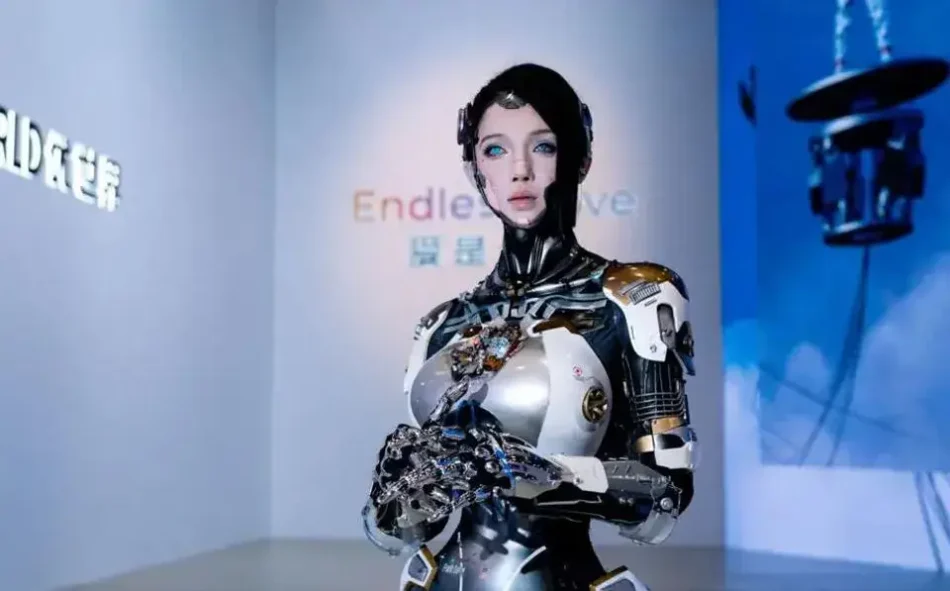
The new UWorld U1 series is available in several versions, including Lite, Pro, and Ultra. Prices range from 119,800 yuan for the entry-level half-body model to 169,800 yuan for higher-end configurations, while the flagship Ultra editions cost as much as 990,000 yuan for the male version and 880,000 yuan for the female version. Rather than focusing on practical tasks, the robot is designed primarily as an emotional companion. It features an AI model that allows users to develop a personalized relationship over time, supports customized appearances, and can recognize human emotions. However, the company has made it clear that the robot is not intended to perform household chores.
Although the technology is impressive, it still has notable limitations. Battery life lasts only two to four hours on a single charge, and demonstrations show that its movements remain noticeably stiff compared with real human motion. Nevertheless, market enthusiasm has been strong. Within just ten days of its launch, the robot received more than 3,800 pre-orders, and by the time of the product launch event, total orders had surpassed 13,000 units.

Supporters argue that the robot addresses an increasingly important emotional need. For people living alone or coping with stressful lifestyles, an AI companion offers constant attention, immediate responses, and a relationship free from arguments or emotional conflict. Some consumers also view robot companions as an alternative to the financial and emotional costs of modern dating, believing they offer greater certainty than traditional relationships. Meanwhile, technology enthusiasts and anime or gaming fans are attracted by the ability to customize the robot’s personality and appearance, creating a physical version of their favorite virtual characters.
However, critics believe the product’s drawbacks far outweigh its benefits. The most common complaint is its poor value for money. Spending hundreds of thousands—or even close to one million—yuan on a robot that requires frequent charging and cannot assist with daily tasks has led many to describe it as an expensive luxury toy for the wealthy. Privacy is another major concern. Because the robot continuously collects information about users’ habits, emotions, and private conversations, many worry about how such sensitive data could be stored, used, or potentially leaked.
Beyond technical and privacy issues, psychologists have raised concerns about the broader social impact of AI companions. They argue that relying too heavily on an always patient and perfectly compliant artificial partner could make people less willing to navigate the challenges of real human relationships, ultimately weakening social skills. In addition, the robot’s highly realistic appearance combined with mechanical movements can trigger the “uncanny valley” effect, causing discomfort or even fear in some users.
At present, the combination of high development costs, complex manufacturing requirements, and still evolving interaction technology means these robots remain luxury products aimed primarily at affluent early adopters. Looking ahead, industry observers expect prices to fall significantly as production scales up and supply chains mature. If future generations can combine sophisticated emotional interaction with practical functions such as elderly care or basic household assistance, robot companions may eventually become a mainstream consumer product.